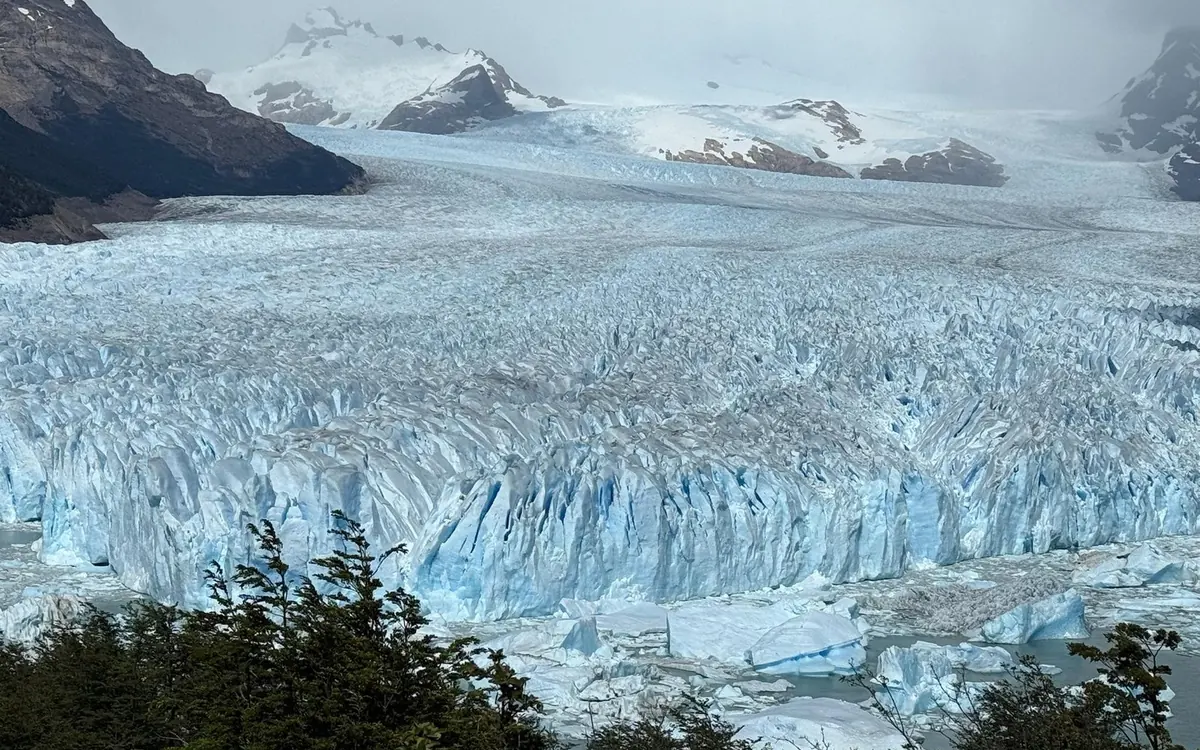
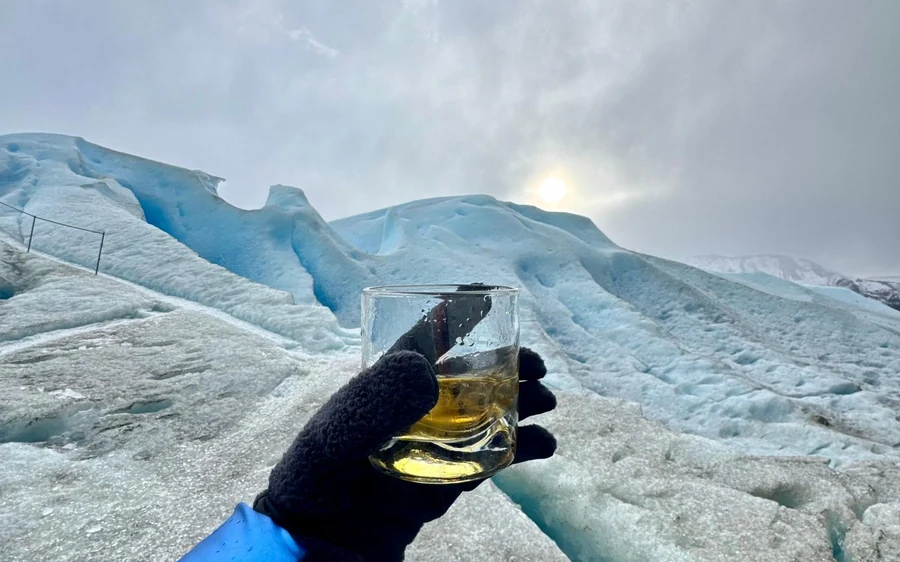
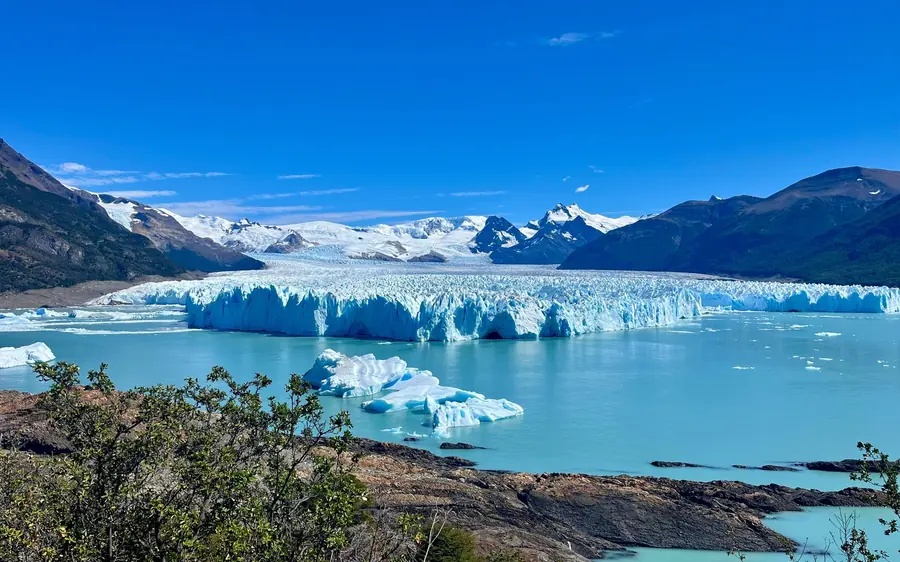
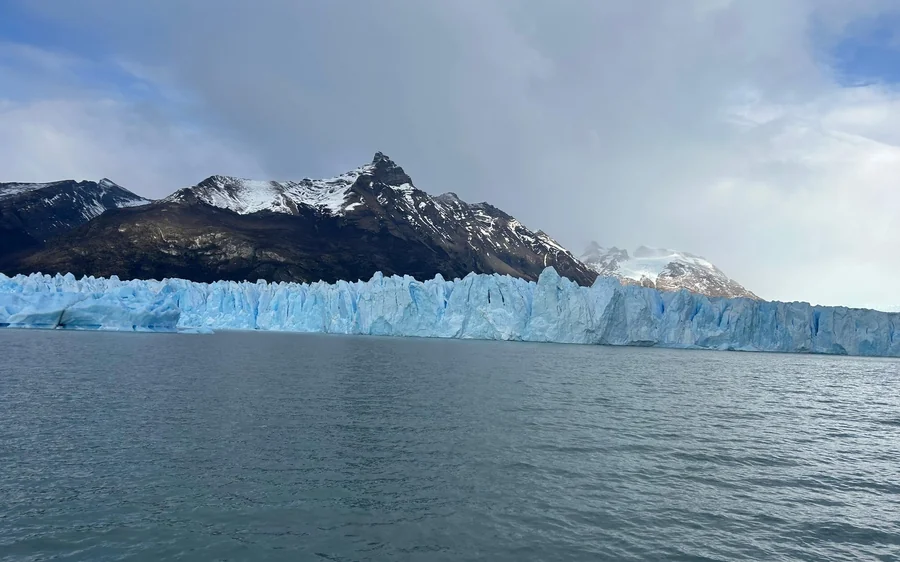
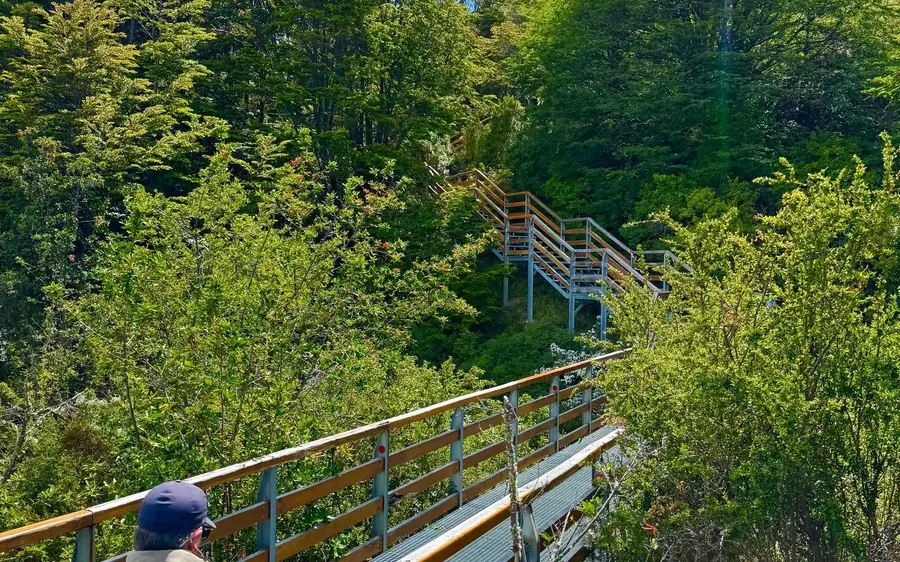
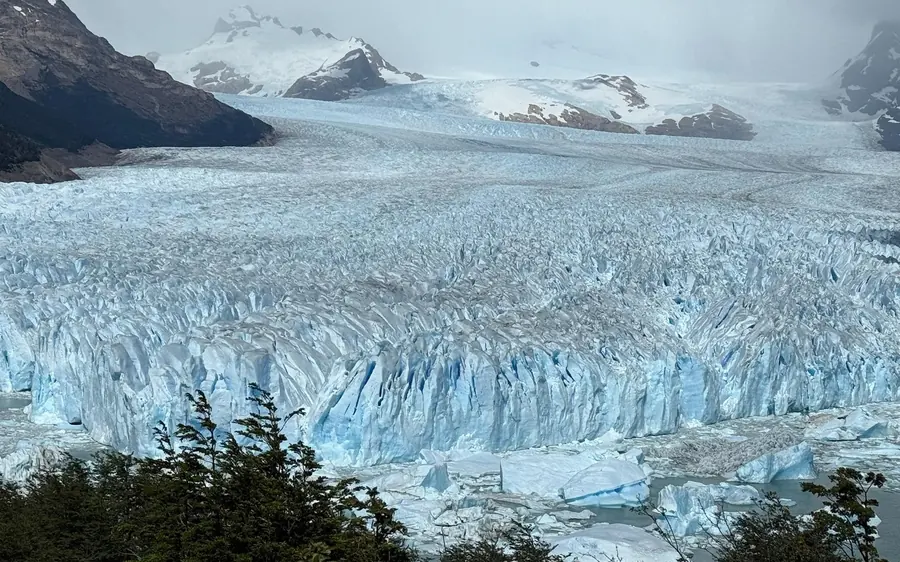
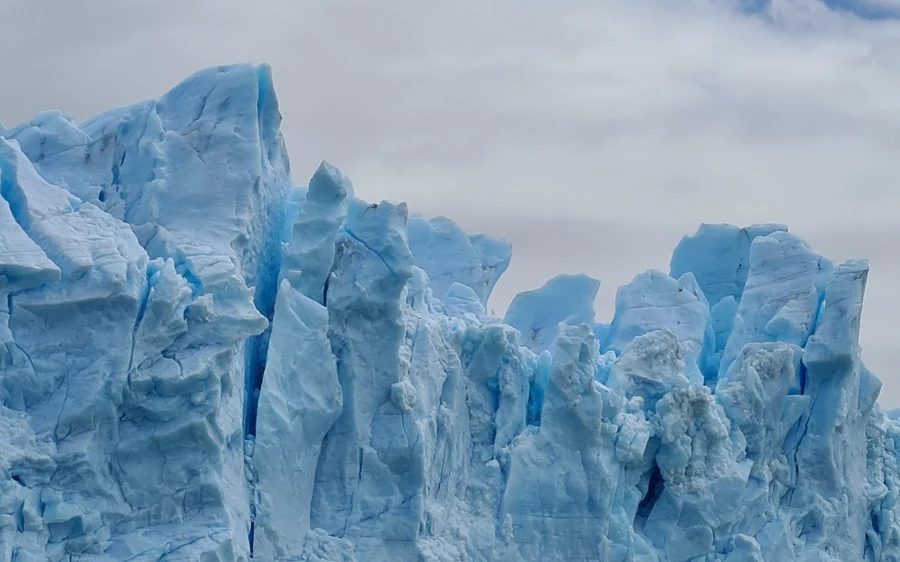
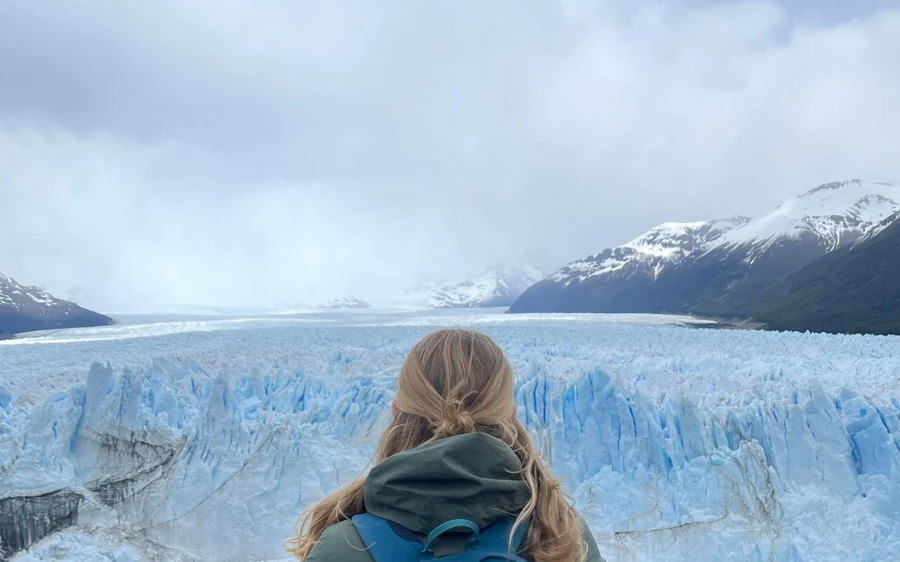
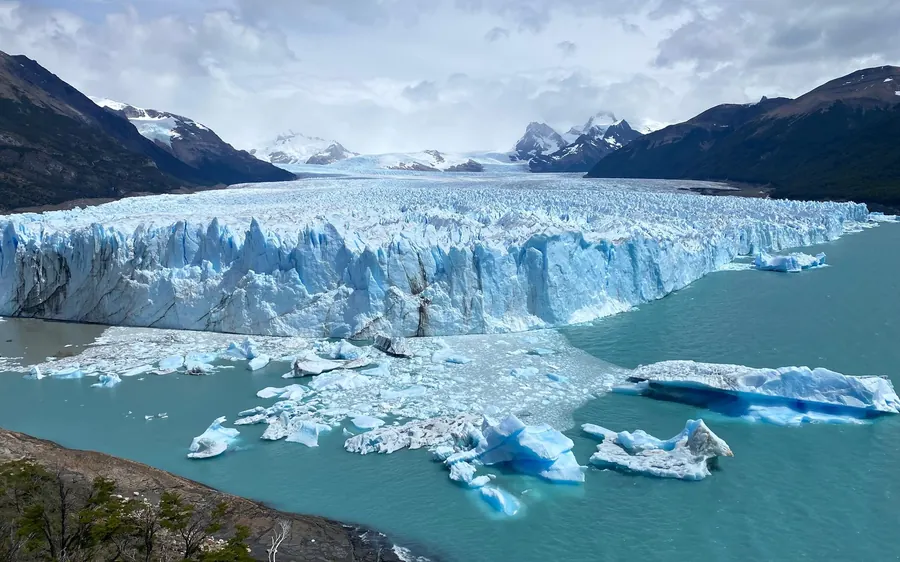
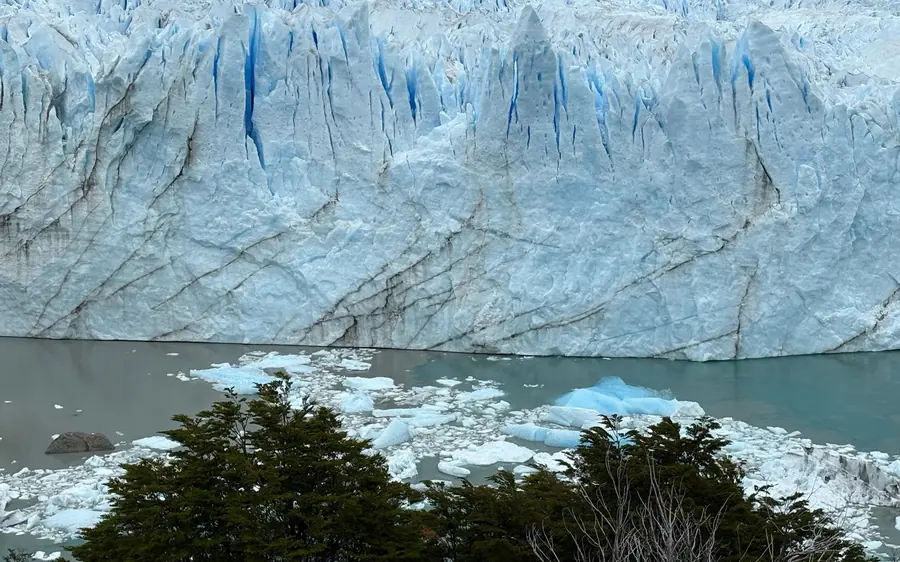
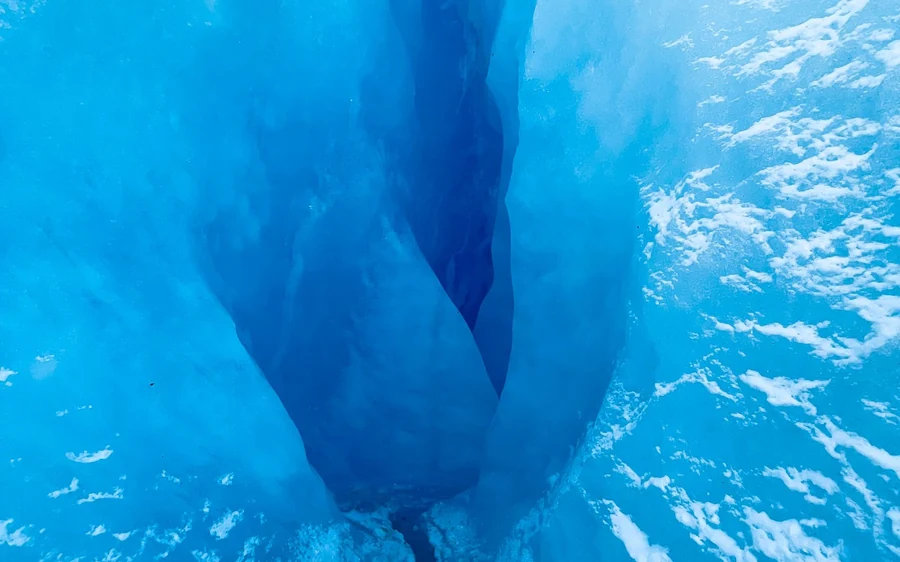
Almost everyone who searches for the best time to visit the Perito Moreno Glacier is holding one of two wrong pictures. The first is a northern-hemisphere calendar: July reads as the warm month and January as the cold one, and in Argentine Patagonia it is the other way round. The second is the idea that a glacier has an open season. It does not. The wall stands where it stands in every month, tours leave El Calafate in every month, and the boardwalks face the ice in every month.
What the calendar actually decides is the length of your daylight and the number of people on the balconies beside you. Those two things, more than anything else, separate a December visit from a July one.
December to February is the Patagonian summer. This is the season with the most usable hours in the day, and it is the season the long listings were designed around. $588 runs 12 hours, $399 eleven, $450 and $520 ten. A day that size needs light at both ends of it, and summer supplies that generously this far south. The trade is company: the boardwalks are at their busiest, and the small-group departures — $399, $145 and $588 are all marked small group — are the first to go. Several listings ask to be booked at least a day or three days ahead even in quiet weeks; in January that head start matters much more.
June to August is the Patagonian winter. Daylight is short, and the shape of the day changes with it: the eight-hour guided visit becomes the natural booking, and the twelve-hour trekking day becomes an awkward one. What you get in return is space. The balconies that hold a crowd in January hold a handful of people in July, and the sound of the ice carries across an empty circuit. Low winter sun along the wall is also what many photographers come for.
March to May and September to November are the shoulders. They are the practical compromise, and they are underrated. Daylight is still long enough for a full day at the ice, the boardwalks are calmer than in peak summer, and availability on the trekking listings is easier. If your dates are flexible and your priority is standing on the ice rather than standing in a queue for a viewpoint, look here first.
One thing does not change with the calendar: the wind. It is a permanent feature of this part of Patagonia and it is felt most on the open balconies facing the water, where there is nothing between you and the wall. That is a packing question rather than a season question, and the page on this site about what to wear answers it in detail.